
What Oral Disease in Senior Dogs and Cats Looks Like and Why It Is Frequently Missed at Routine Visits
By AVDC
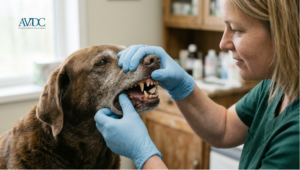
Many owners of older dogs and cats assume that if their pet were really uncomfortable, they would see it. That assumption is one of the most common reasons oral disease in senior pets goes unnoticed for so long, and it is also part of why it can slip past a routine veterinary visit.
Why Senior Pets Rarely Show Obvious Signs
Dogs and cats are naturally reluctant to show pain, and that instinct does not fade with age. A senior pet with a fractured tooth, an abscess, or advanced periodontal disease may simply eat a little more slowly, chew more on one side, or become pickier about food. These changes are easy to write off as normal aging rather than a dental problem. Because the shift usually happens gradually, even an attentive owner can have trouble pinpointing when it started or what is behind it.
What Oral Disease Can Look Like in an Older Pet
Some signs stand out more than others, and noticing them is often the first step toward getting a pet evaluated. Common signs and symptoms of dental disease in senior dogs and cats include:
- Breath that has become noticeably stronger or different than usual
- Dropping food while eating, or chewing carefully on one side of the mouth
- Tartar buildup, or gums that look red, swollen, or bleed easily
- A tooth that appears discolored, loose, or broken
- Pawing at the face or rubbing the mouth against furniture or bedding
- A gradual drop in interest in hard food, treats, or chew toys
No single sign confirms a diagnosis on its own, but together they are often reason enough to schedule an oral evaluation with a primary care veterinarian.
Why a Short Wellness Visit Can Miss What Is Actually There
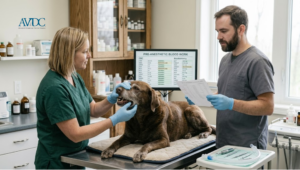
A routine or annual wellness exam tends to focus on vaccinations, preventative healthcare, and addressing over-all health and wellness concerns brought up by the pet owner. These exam appointments, while thorough, can be brief, and older pets often arrive with several concerns competing for attention, from joint stiffness to changes in bloodwork. A quick, cooperative look inside the mouth during an annual exam may not reveal disease sitting below the gumline or inside a tooth. Veterinary dental research indicates that periodontal disease becomes more common and more advanced as pets age, which means senior dogs and cats are more likely to be carrying a level of oral disease that a brief visual exam will not fully catch. This is one reason senior pet dental care sometimes calls for a closer look than a routine annual visit provides.
Addressing the Anesthesia Question
Concern about anesthesia is one of the most common reasons dental care gets delayed in older pets, and it is a fair question to ask. Is dental anesthesia safe for senior dogs and cats? Veterinary guidance generally holds that age alone should not exclude a pet from a dental procedure, and that a pet’s individual health status matters more than their number of birthdays. That is why a thorough pre-anesthetic workup, often including bloodwork, a physical exam, and sometimes additional screening based on history, is typically recommended before a senior pet undergoes a dental procedure. That evaluation lets the veterinary team tailor the anesthesia protocol and monitoring to that specific patient instead of applying a one-size-fits-all approach based on age.
Why Comfort Is Part of the Conversation
Chronic oral pain in a senior pet does not always look dramatic or obvious. It can look like a dog who plays a little less, or a cat who has quietly stopped grooming as often. Addressing dental disease in an older pet is about helping improve or protect everyday comfort thereby improving their quality of life. Once the dental disease is addressed, energy levels may increase and play and grooming behaviors may return, while you still have a senior pet who is a little slower than they were when they were younger, they are at least able to be as active as possible for their age.
What to Watch For at Home
Between visits, owners are often the first to notice subtle shifts in eating habits, grooming, or behavior. Bringing those observations to a primary care veterinarian, even if they seem minor, gives the veterinary team more to go on when deciding whether a more detailed oral evaluation, and potentially a referral to a Board Certified Veterinary Dentist®, is worth pursuing.
Disclaimer: This article is intended for educational purposes and should not replace professional veterinary advice. Pet owners should consult their veterinarian to determine the most appropriate dental care for their individual animal.
About the American Veterinary Dental College® (AVDC®): The American Veterinary Dental College® is the recognized certifying organization for veterinary dentistry specialists. The College advances animal oral health through rigorous credentialing, evidence-based standards, and the promotion of excellence in veterinary dental education, research, and patient care.
Verstraete FJ, Kass PH, Terpak CH. Diagnostic value of full-mouth radiography in dogs. Am J Vet Res. 1998;59(6):686-691. PMID: 9622735. Verstraete FJ, Kass PH, Terpak CH. Diagnostic value of full-mouth radiography in cats. Am J Vet Res. 1998;59(6):692-695. PMID: 9622736.